

Compliance That Fits E-Freight ERP Users
eFreight ERP Features for Businesses in Lithuania
- Freight Shipment Management: Manage shipment records, cargo details, freight activities, operational stages, and forwarding workflows across logistics operations.
- Booking Documentation Control: Organize quotations, bookings, shipment documents, transaction details, and related freight information for processing.
- Partner Relationship Management: Maintain customer, agent, carrier, and supplier records alongside associated logistics activities and transactions.
- Costing Billing Administration: Support freight costing, customer billing, supplier charges, receivables, payables, and accounting processes.
- Operational Reporting Connectivity: Organize financial and operational data for reporting, analysis, and connections with relevant business applications.
How eFreight ERP Implementation Works in Lithuania
An eFreight ERP implementation can align freight workflows, shipment data, documentation, financial processes, reporting, integrations, and user requirements with the operational needs of logistics businesses across Lithuania.
- Reviews freight workflows, documentation, and requirements
- Configures eFreight settings and operational workflows
- Prepares customer, shipment, and financial data
- Tests integrations, workflows, outputs, and deployment
Business Value of eFreight ERP in Lithuania
- Coordinated Freight Activities: Organize quotations, bookings, shipments, cargo records, documentation, costing, and billing within connected forwarding workflows.
- Shipment Process Consistency: Apply defined procedures for shipment records, operational updates, documents, and transaction handling across freight activities.
- Integrated Financial Workflows: Connect freight operations with costing, billing, receivables, payables, settlements, and accounting-related processes.
- Flexible Workflow Configuration: Adapt eFreight settings to service structures, organizational requirements, operating models, and freight management processes.
- Organized Business Information: Maintain customer, supplier, shipment, financial, and transaction data for reporting, reconciliation, and management review.
- Operational Control Support: Provide structured information for exception handling, transaction monitoring, process reviews, and informed logistics management decisions across departments, locations, and connected logistics business functions.
Everything You Need for Lithuania E-Invoicing in One Place
Logistics Process Consulting
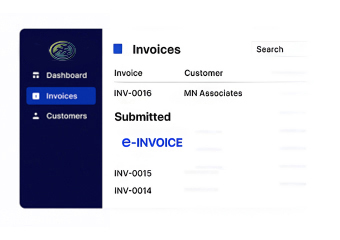
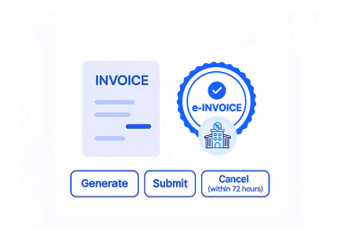
Each invoice is reviewed instantly with clear error identification, guided correction, and resubmission aligned with regulatory validation cycles.
Freight System Configuration
Configure freight workflows, users, data, settings, testing, and deployment activities around business needs.
Integration Support Services
Connect business systems and support data exchanges, workflow updates, integrations, and ongoing application needs.
eFreight ERP Applications Across Lithuania Freight Operations
eFreight ERP supports Lithuanian logistics organizations across freight models, shipment volumes, service structures, customer needs, operational workflows, and internal processes through configurable freight management capabilities.
- Coordinate shipment and freight forwarding workflows
- Manage cargo bookings and documentation processes
- Connect logistics billing with finance workflows
- Organize customer and supplier freight records
Align eFreight with Lithuania Logistics Operations
Structure freight transactions, shipment records, billing, and financial processes through eFreight ERP.
eFreight ERP for Lithuania freight workflows. Supported by Advintek.
Ready e-Invoice System
Frequently Asked Questions E-Freight ERP E-Invoicing Lithuania
What does eFreight ERP manage for logistics companies in Lithuania?
eFreight ERP can help logistics companies manage freight quotations, bookings, shipments, cargo information, documentation, customer records, supplier activities, costing, billing, receivables, payables, and operational reporting through structured freight management workflows.
Can eFreight ERP support freight forwarding and shipment coordination in Lithuania?
Yes. eFreight ERP can support freight forwarding activities by organizing shipment information, booking details, cargo records, transportation stages, documentation, partner information, and related transactions. Configured workflows can help logistics businesses manage different freight processes according to their operational structures.
How can eFreight ERP support freight billing and accounting processes?
eFreight ERP can connect freight-related costing and billing activities with financial workflows. Businesses can manage customer charges, supplier costs, receivables, payables, settlements, and accounting records alongside shipment transactions, helping maintain consistent financial information across logistics operations.
Can eFreight ERP integrate with other business systems in Lithuania?
eFreight ERP can be configured to work with relevant business applications and connected systems based on organizational requirements. Integration scenarios may involve financial applications, customer systems, reporting tools, operational platforms, and other technologies used to exchange freight, transaction, or business information.
How is eFreight ERP implemented for a Lithuania logistics business?
An eFreight ERP implementation typically begins by reviewing freight workflows, documentation, users, data, financial requirements, reporting needs, and integration requirements. The system can then be configured, data prepared, workflows tested, integrations validated, and deployment activities completed according to the organization’s operating model.