

Supporting Compliant K-Bolt Invoice Workflows
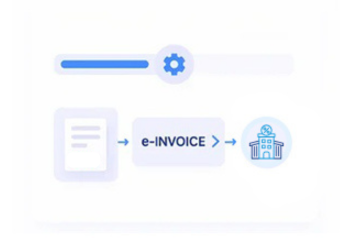
The K-Bolt and Advintek e-Invoicing Flow
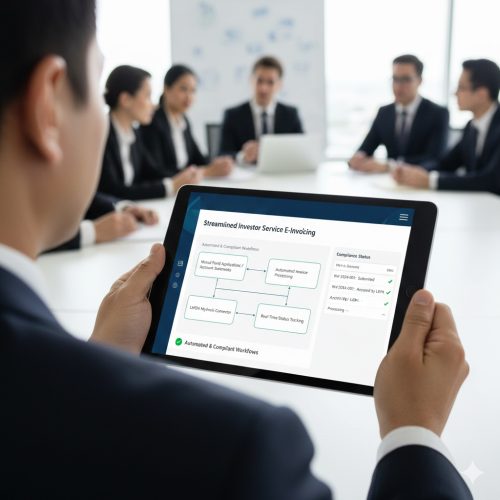
- Sales Record Collection: Selected K-Bolt sales records enter Advintek according to configured e-invoicing workflow requirements reliably.
- Customer Field Interpretation: K-Bolt customer and billing fields are interpreted against configured Lithuania invoice requirements accurately for processing.
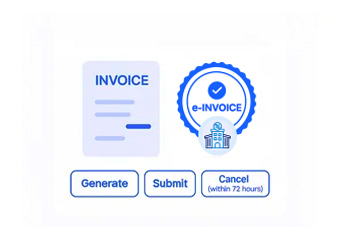
- Transaction Data Validation: Transaction information passes validation checks before approved records proceed toward e-document creation processes.
- Structured Invoice Assembly: Validated ERP information is assembled into structured invoices suited to connected business processes directly.
- Document Exchange Routing: Prepared documents follow configured exchange routes based on recipient and transaction handling requirements.
- Processing Outcome Tracking: Processing outcomes remain associated with source records for financial review and operational reconciliation activities.
What Advintek Connects Across K-Bolt
Advintek’s e-invoicing platform connects K-Bolt information with structured invoice processing, helping businesses coordinate sales data, customer records, tax information, and financial workflows.
- Extracts sales information directly from K-Bolt
- Maps ERP fields into structured invoice records
- Checks configured data before document processing begins
- Links invoices with their source transactions
Benefits for K-Bolt Operations
- Streamlined Invoice Processing: K-Bolt transaction data can move through defined invoice workflows, reducing repeated manual preparation across accounting activities.
- Consistent Data Handling: Mapped K-Bolt information helps maintain alignment between customer, product, tax, and invoice records during processing.
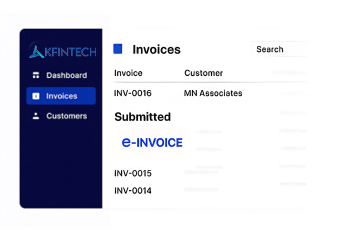
- Greater Billing Visibility: Centralized invoice activity provides finance teams with better visibility into K-Bolt billing records and processing outcomes.
- Traceable Transaction History: Linked references allow users to review processed invoices against originating sales, customer, and transaction information.
- Controlled Document Processing: Configured checks help maintain orderly handling of invoice documents created from approved K-Bolt business transactions.
- Integrated Financial Operations: Advintek connects K-Bolt invoice information with accounting applications, supporting coordinated processing across related financial workflows.
K-Bolt Capabilities for Lithuania E-Invoicing
Customer Identifier Alignment
K-Bolt customer identifiers can align with electronic invoice records for consistent recipient information.
Transaction Tax Classification
Configured tax categories can support appropriate treatment across K-Bolt commercial transaction records.
Invoice Reference Tracking
Invoice references can remain accessible for finance review, reconciliation, and document traceability processes.
K-Bolt Support for Lithuania
Businesses using K-Bolt can connect sales and operational information with Lithuanian invoicing processes while maintaining relationships between customers, inventory records, transactions, tax information, invoices, and connected financial systems.
- Connect sales records with electronic invoice workflows
- Coordinate customer information across financial processes
- Review documents against originating K-Bolt transactions
- Reconcile invoices with originating sales activity accurately
Strengthen Your Digital Document Process
Connect K-Bolt with Lithuania e-invoice workflows through Advintek.
Discuss your ERP integration needs with specialists.
Ready e-Invoice System
Frequently Asked Questions K-Bolt ERP E-Invoicing Lithuania
How does K-Bolt fit into an integrated e-invoicing architecture?
K-Bolt can remain the operational system where relevant customer, sales, product, and billing information originates. Advintek adds the electronic invoicing layer around those ERP processes, transforming selected K-Bolt information into structured documents while allowing the underlying business records and established ERP workflows to remain in place.
Which K-Bolt configurations influence electronic invoice generation?
Invoice generation can depend on how K-Bolt stores customer profiles, product information, billing attributes, tax details, company information, and transaction classifications. During integration, these ERP structures can be mapped to the required invoice fields so Advintek can interpret source information consistently across different K-Bolt business processes.
Can K-Bolt workflows support different invoice sources?
K-Bolt environments may contain information originating from different commercial activities, depending on how the business operates its ERP. Advintek can use configured source mappings to distinguish relevant transaction types and route their information through appropriate electronic invoicing workflows, helping businesses manage varied billing scenarios through one connected process.
How can ERP administrators manage K-Bolt e-invoicing mappings?
ERP administrators can review the relationships between K-Bolt fields and the corresponding electronic invoice attributes during integration configuration. Advintek can use these mappings to define how customer, transaction, tax, and document information is interpreted, giving administrators a structured approach to maintaining invoice data relationships as business processes evolve.
What role does K-Bolt play in post-invoice financial reconciliation?
K-Bolt can remain an important reference point for reviewing the business transaction behind a processed invoice. Advintek can preserve source references between electronic documents and ERP activity, enabling finance users to investigate billing records, compare transaction information, and coordinate reconciliation with connected accounting processes.