Compliance Capabilities for Infor SyteLine Users
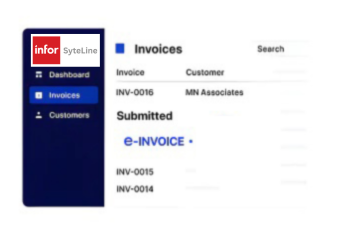
Inside the Infor SyteLine Invoice Workflow
- Order Data Intake: Selected customer orders and related transactions enter Advintek according to configured invoicing conditions.
- Shipment Context Gathering: Customer, item, quantity, shipment, tax, and commercial information is collected from connected Infor SyteLine records.
- Transaction Validation: Configured controls examine source information against VMI requirements before records proceed toward structured electronic invoice creation and processing.
- Invoice Data Construction: Validated transaction information is assembled into electronic invoice documents suited to applicable recipient requirements.
- Document Exchange Handling: Completed invoices follow configured processing routes according to recipient, transaction, and business requirements.
- ERP Reference Return: Processing outcomes remain connected with Infor SyteLine records for accounting review, VMI reporting, and subsequent transaction investigation.
What Advintek Adds to Infor SyteLine
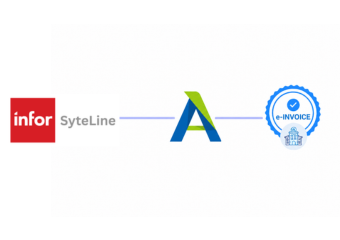
Advintek extends Infor SyteLine with dedicated electronic invoicing services, connecting manufacturing and commercial records with document processing while allowing production, sales, warehouse, purchasing, and finance teams to retain their established ERP responsibilities.
- Connects customer orders with invoice processing
- Links shipments with electronic documents
- Associates manufactured items with billing
- Extends SyteLine records into compliance workflows
Value for Infor SyteLine Operations
- Manufacturing Billing Context: Production references provide finance teams with useful context when invoices relate to manufactured customer requirements.
- Shipment Verification Support: Connected shipment information helps users review invoices against fulfilled customer orders and delivery activity.
- Item Data Consistency: Infor SyteLine item information supports consistent product references between ERP transactions and resulting electronic invoices.
- Customer Order Visibility: Linked order references help accounting teams investigate billing documents against originating commercial transactions.
- Procurement Process Alignment: Purchasing information can remain associated with supplier documents when procurement activity enters electronic workflows.
- Multi-Site Coordination: Advintek supports invoice processing across Infor SyteLine environments while retaining relevant organizational and operational references.
One Platform for Lithuania E-Invoicing
Shipment Reference Tracking
Shipment identifiers can remain associated with electronic invoices for subsequent delivery and financial review.
Item Identity Control
Product identifiers can accompany invoice records to support consistent item recognition across connected processes.
Order Relationship Mapping
Customer order references can remain linked with processed invoices throughout configured workflows.
Infor SyteLine Operations Across Lithuania
Businesses using Infor SyteLine can coordinate electronic invoicing across customer orders, manufacturing, shipments, inventory, purchasing, multi-site operations, and finance while retaining the ERP context behind each document.
- Link customer orders with electronic invoices
- Connect shipments with billing information
- Associate manufactured items with documents
- Review invoice activity through SyteLine records
Improve Your Manufacturing Invoice Operations
Align Infor SyteLine with Lithuanian invoice workflows through Advintek.
Discuss your SyteLine integration requirements with specialists.
Ready e-Invoice System
FAQs Infor SyteLine and Lithuania E-Invoicing
How can SyteLine customer orders support invoice generation?
Customer orders can provide the commercial foundation for invoices by supplying relevant customer, item, quantity, pricing, and transaction information. Advintek can use configured SyteLine order data to prepare electronic invoice records while preserving the original ERP reference. This allows finance teams to trace billing documents back to their originating sales activity.
Why are SyteLine shipment records relevant to e-invoicing?
Shipment records establish a connection between what was ordered and what was actually fulfilled. Where invoicing depends on delivered goods, relevant shipment information can support invoice preparation and validation. Connecting these records helps finance teams review electronic documents against fulfillment activity rather than examining invoice information separately from the underlying logistics transaction.
What SyteLine item information can appear in invoices?
Depending on the integration mapping, invoice data can include relevant item identifiers, descriptions, quantities, units, and associated transaction references. Product information originates from SyteLine and can be transferred into the electronic document structure required by the configured workflow. This helps maintain consistency between manufacturing records, sales transactions, and customer-facing invoice information.
How can multi-site SyteLine environments handle invoice data?
Multi-site organizations can use relevant organizational references to distinguish transactions originating from different SyteLine operating environments. Integration rules can associate customer, shipment, item, and financial information with the appropriate site context. This helps centralized finance teams review documents while maintaining the operational distinction between separate manufacturing or distribution activities.
Does Advintek replace SyteLine financial processes?
No. SyteLine can remain the primary ERP environment for manufacturing, sales, inventory, purchasing, customer transactions, and related financial records. Advintek provides the electronic invoicing layer around those established processes. Source references can remain associated with processed documents, allowing finance teams to continue using SyteLine as the underlying system of record.