

Compliance Built Around Oracle Workflows
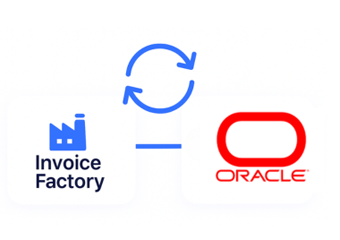
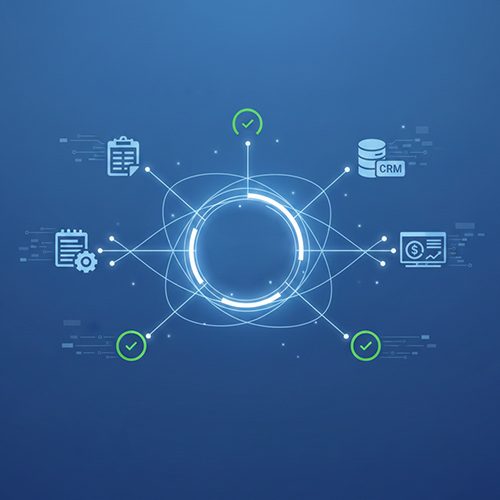
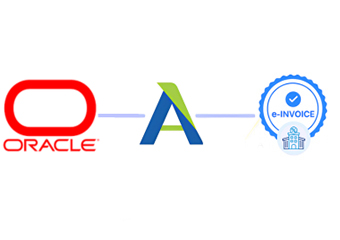
How Oracle Connects With Advintek
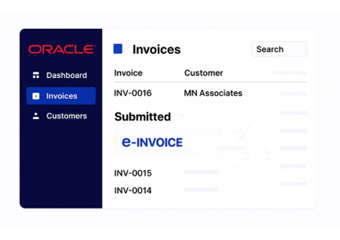
- Financial Record Selection: Relevant Oracle Financials transactions are selected according to configured business, invoicing, and processing conditions.
- Entity Context Recognition: Legal entity and business unit information accompanies applicable transactions throughout e-invoice processing workflows and activities.
- Receivables Process Coordination: Approved customer billing information moves from Oracle Receivables toward structured invoice preparation and processing workflows.
- Payables Workflow Coordination: Supplier-related information can enter configured workflows when electronic invoice processing involves Oracle Payables and procurement activities.
- Accounting Context Preservation: Relevant accounting information remains associated with invoice records throughout connected processing and financial review activities.
- Enterprise Status Handling: Processing outcomes can return to connected Oracle workflows for review, follow-up, and subsequent financial administration activities.
What Oracle ERP E-Invoicing Integration
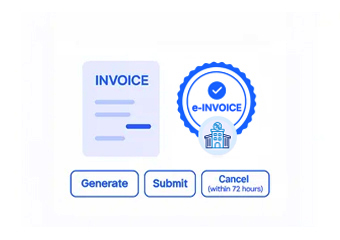
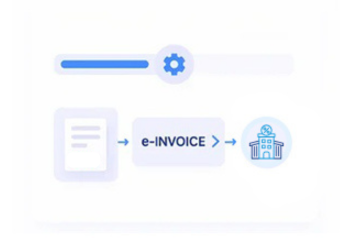
Advintek extends Oracle ERP environments with an e-invoicing layer that links financial applications and electronic documents while maintaining established accounting structures and VMI references.
- Align Oracle Financials with electronic invoice services
- Process Receivables data through billing workflows
- Coordinate Payables documents with invoice processing
- Maintain enterprise references across financial transactions
Benefits for Oracle Financial Operations
- Financial Process Continuity: Oracle finance teams can retain established accounting workflows while electronic invoicing operates through a connected platform.
- Receivables Workflow Efficiency: Customer billing information can progress into invoice processing without repeated manual preparation between financial systems.
- Payables Process Coordination: Supplier-related invoice activities can connect with Oracle Payables workflows through configured information exchanges.
- Stronger Entity Control: Legal entity and business unit information remains relevant when invoices pass through enterprise processing workflows.
- Better Accounting Context: Invoice records retain connections with financial information, helping teams understand the accounting background behind documents.
- Enterprise Integration Flexibility: Advintek can connect Oracle ERP with surrounding applications while preserving established financial and operational responsibilities.
Oracle Capabilities for Lithuania E-Invoicing
Entity Structure Handling
Relevant Oracle legal entity and business unit information can accompany invoice processing workflows.
Receivables Reference Linking
Customer invoices can retain connections with originating Oracle Receivables transactions throughout processing.
Accounting Context Tracking
Relevant financial references can remain associated with electronic documents for subsequent enterprise review.
Oracle ERP Support in Lithuania
Oracle users can connect Lithuanian e-invoicing with established enterprise finance operations while maintaining relationships across legal entities, business units, customer billing, supplier activity, procurement, accounting records, and electronic documents.
- Connect Receivables with invoice processing
- Coordinate Payables with electronic documents
- Associate invoices with financial entities
- Support enterprise accounting review
Improve Enterprise Invoice Management
Connect Oracle ERP with Lithuanian e-invoicing through Advintek.
Discuss your Oracle integration requirements with specialists.
Ready e-Invoice System
Frequently Asked Questions Oracle E-Invoicing Lithuania
Which Oracle modules can connect with Advintek?
Advintek can integrate with relevant Oracle environments where financial, commercial, procurement, or customer information originates. The appropriate connection depends on the organization’s Oracle architecture and invoicing requirements. This allows businesses to retain their existing ERP modules while introducing a dedicated e-invoicing layer for Lithuanian document processing and related compliance workflows.
How are Oracle invoice approvals handled through integration?
Invoice approval responsibilities can remain within the organization’s configured Oracle processes while Advintek handles the electronic invoicing activities that follow. Integration can pass approved information into the relevant workflow, reducing unnecessary changes to established financial controls and allowing Oracle administrators to retain responsibility for internal authorization procedures.
Can Oracle businesses connect more than one invoice source?
Yes. Organizations using multiple Oracle applications or connected business systems can design an integration architecture where relevant invoice sources feed into Advintek. This can help centralize electronic invoicing while allowing individual applications to continue managing their own commercial, financial, or operational responsibilities within the broader enterprise environment.
What Oracle data should administrators prepare before integration?
Administrators should identify the financial entities, customer and supplier records, transaction sources, tax information, document fields, and accounting references involved in the invoicing process. Reviewing these relationships before configuration helps establish appropriate data mappings and clarifies which Oracle systems remain responsible for creating, approving, maintaining, and reviewing the underlying business information.
Does Oracle remain the primary ERP after Advintek integration?
Yes. Advintek can operate alongside Oracle rather than replacing its core ERP functions. Oracle can continue managing enterprise financial information, accounting structures, customer and supplier records, procurement activity, and internal business processes, while Advintek provides the specialized electronic invoicing capabilities required to connect those processes with external invoice workflows.